
Becoming a Father: The Parts We Don't Talk About
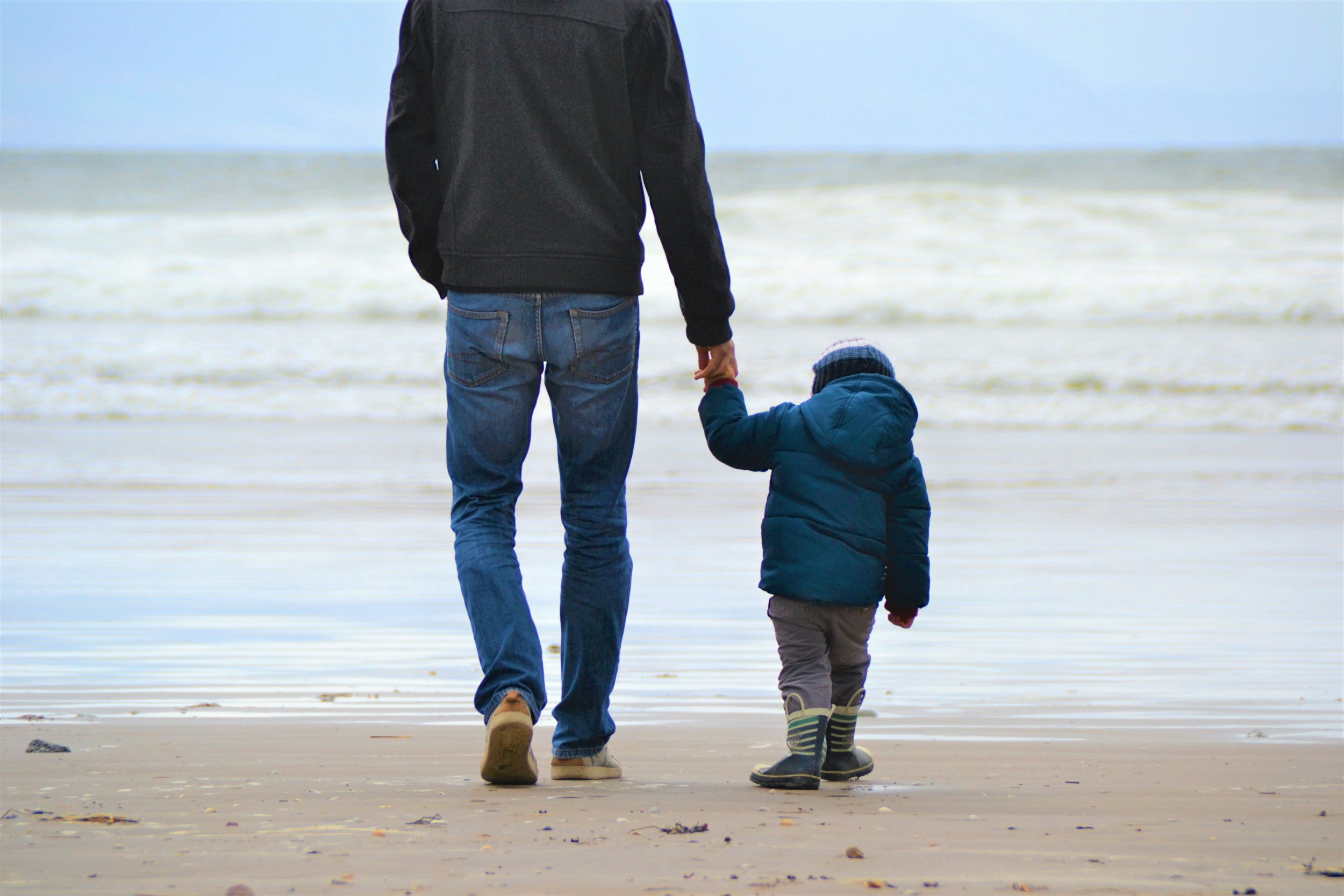
This Thursday, I had the pleasure of leading a workshop alongside my wonderful colleague Steve—a therapist and a new father. Together, we facilitated an honest conversation about dads and the postpartum journey. From the very beginning, one thing felt especially important to both of us.
We didn't want this to be another educational lecture where people quietly listened to statistics and took notes. Instead, we wanted to create a space where people could think together, reflect, laugh, ask questions, and become curious about an experience that often goes unnoticed: the emotional journey of becoming a father.
Throughout the evening, Steve and I participated not only as therapists but also as parents—two imperfect humans who know that parenting is messy, beautiful, exhausting, and deeply human.
Although the workshop centered on fathers, we intentionally invited everyone—mothers, partners, therapists, healthcare providers, and anyone who supports new families. Supporting fathers ultimately supports the entire family.
We began with a simple icebreaker. Steve invited everyone to finish three sentences:
The perfect dad always...
The perfect dad never...
The perfect dad should not...
The answers came quickly.
As we listened, another question naturally emerged:
Where do these ideas come from?
Some expectations felt realistic.
Many felt impossible. Some of them brought some laughter, and some sadness.
And that opened the door to an even deeper conversation. What happens when fathers can't live up to these expectations?
As a therapist, I often think about the messages we inherit long before we realize they are shaping us.
Many men grow up hearing:
"Be strong."
"Don't cry."
"Handle it yourself."
"Your job is to provide."
These messages didn't appear out of nowhere. For many fathers and grandfathers, these were survival strategies that helped previous generations navigate war, immigration, financial hardship, instability, and loss. Those beliefs may have helped families survive. But they can also make it much harder for today's fathers to ask for support when they're struggling emotionally.
During the workshop, I shared the important statistic. According to Postpartum Support International, approximately one in ten fathers experiences postpartum depression or anxiety. The real number may be even higher because many men never talk about what they're experiencing.
When fathers struggle, it does not always look like a struggle.
· Instead of crying, they may become irritable.
· Instead of talking, they may work longer hours.
· Instead of asking for help, they may disappear into work, screens, video games, or endless scrolling.
· Some become preoccupied with finances.
· Others focus entirely on logistics while quietly wondering whether they're good enough fathers.
· Some avoid being alone with their baby because they're afraid of doing something wrong or feel uncertain about how to care for them, leaving most of the caregiving to their partner.
· Many simply feel alone.
What struck me was how many of these experiences resonated with people in the room. When we make space for honest conversations, people often realize they're not the only ones carrying these thoughts.
We also spent time talking about what I like to think of as a first-aid kit for new fathers. Nothing revolutionary yet obvious.
Sleep whenever possible.
Eat regular meals.
Move your body.
Stay connected with friends.
Spend a few intentional minutes with your partner.
Take breaks from endless scrolling.
Ask for professional support when you need it.
Simple things. Yet often these obvious things are hard to implement for new parents. Toward the end of the workshop, we explored another topic that often receives far too little attention: loneliness.
Research consistently shows that many men experience increasing social isolation in adulthood, particularly after their thirties. Becoming a father can make that isolation even greater.
We talked about practical ways fathers can build friendships, create community, and find their own village—because parenting was never meant to be done alone.
Join local dad groups or online fatherhood communities.
Say hello to another dad at the playground or during school drop-off. Many friendships begin with a simple conversation.
Reconnect with interests you already enjoy—sports, running, hiking, music, woodworking, or other hobbies can become natural places to meet people.
If faith or spirituality is important to you, connect with a local religious or spiritual community.
Reach out to another father instead of waiting for someone else to make the first move.
As I left the workshop, I kept thinking about one question.
When a new baby is born, we naturally ask,
"How is Mom?"
And we should.
But perhaps we can also begin asking another question.
"How is Dad doing?"
Because when a baby is born, a mother is born. And so is a father. Both are learning. Both are changing. Both deserve compassion.
One of my favorite moments came at the very end.
Steve and I were deeply moved by the honesty in the room. Participants responded to one another with empathy, offered encouragement, shared their own struggles, and reminded each other that they weren't alone.
Sometimes the most healing thing we can offer isn't advice. It's simply creating a space where people feel safe enough to tell the truth. If this resonated with you, please share it with another father or father-to-be.