Watching More Than Blue: Reflections from a Therapist and Mom
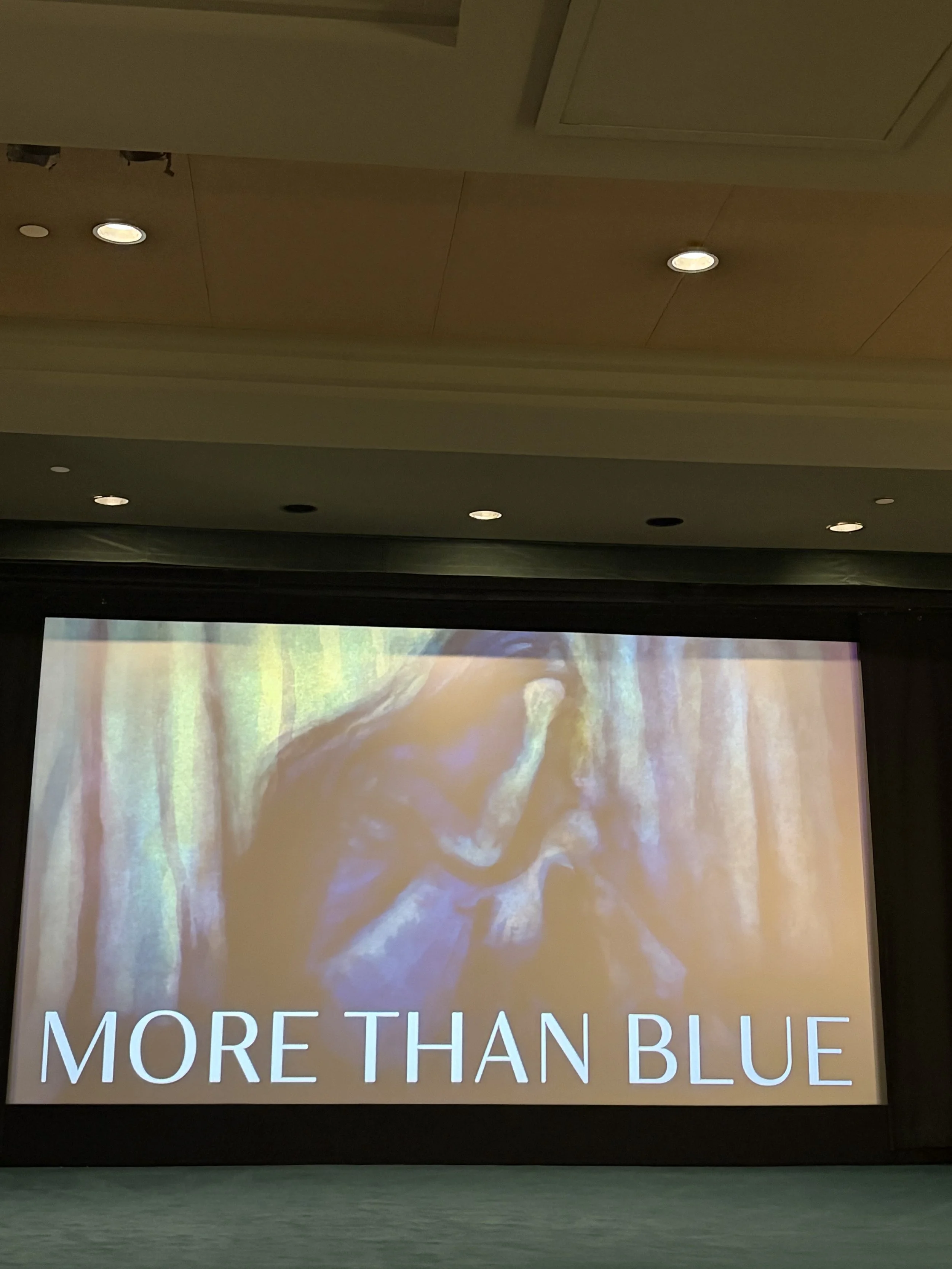
Last week, I attended a screening of the documentary More Than Blue at the Postpartum Support International event during the Tribeca Festival, after being invited by a colleague.
The film follows mothers living through different Perinatal Mood and Anxiety Disorders (PMADs) — from debilitating postpartum anxiety and postpartum depression to postpartum psychosis. The mothers shared their experiences with symptoms, treatment, medication management, hospitalization, fear, shame, and recovery.
What stayed with me most was how many mothers suffered in silence for a long time. The documentary raised important questions about stigma, the pressure and expectations society places on mothers, and the painful belief that a “good mother” should always cope on her own.
The film also highlighted the importance of support — not only professional treatment and appropriate medication management, but also support groups, community, compassion, and being able to speak openly about maternal mental health.
As I watched the documentary, I found myself remembering my own early postpartum experience and how lonely motherhood could sometimes feel.
After the screening, there was a panel discussion with several mothers featured in the film. The conversation also touched on maternal mental health policy, access to care, and the ongoing need for awareness and support for mothers and families.
I left the evening thinking about how important it is for mothers to know they are not alone — and how much healing can begin when experiences that were once hidden are finally spoken about openly.
I was really touched by how long it takes for a mother to ask for help. And even when she asked for help, the postpartum resources, like a postpartum therapist and support group, and medication management, might not be available, or it might feel overwhelming to make all these decisions.
I highly recommend watching this documentary for providers who work with mothers, therapists, birth workers, family members, and friends. The panel discussion followed it. It was another reminder, although we might feel a natural jump to congratulate a new mother with the baby, it’s important to pose and ask her first how have you been feeling, what it’s like for her to be a mother, and how we can support her. When we do not assume how motherhood should be, we bring curiosity and have space for the mother to share the complex experience of motherhood.
The movie can be found here, https://womensmentalhealth.org/more-than-blue-documentary-2/. Let’s end the silence of mothers suffering in silence. Maternal health matters!